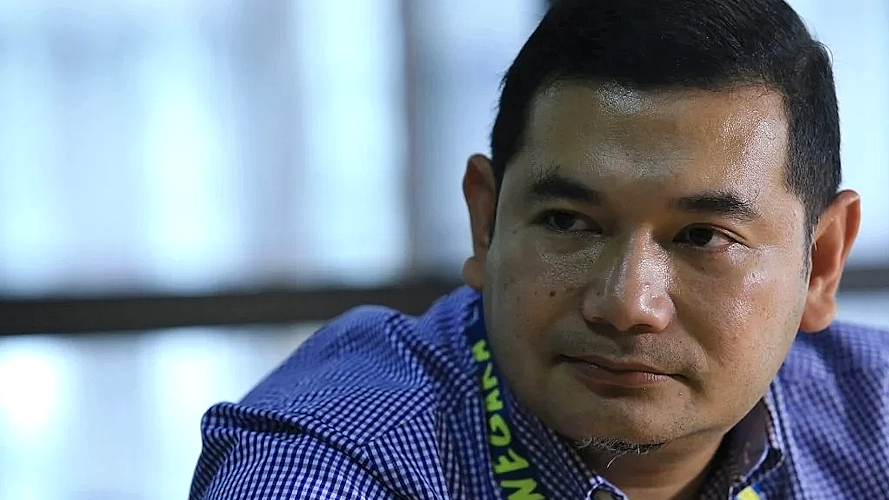
Many people shook their heads in dismay, saying this is worse than the underworld, even worse than loan sharks. I’m referring to the incident where Datuk Seri Rafizi Ramli’s young son was injected with a syringe threatening AIDS— vicious and despicable! The underworld and rivals, when in conflict, usually try to resolve matters through negotiation. If talks fail, they may issue threats—but they do not target children. Loan sharks, when collecting debts, also go after the debtor. The harsher ones may harass family members—splashing paint, pasting threatening notices—but I have never heard of injecting a child with a syringe. As the saying goes, even thieves have their code of conduct. Bad people too have a bottom line. Otherwise, they’re not human. But Rafizi’s young son, in broad daylight, was dragged out of a car by helmeted masked men and injected with an unknown liquid from a syringe. After that, Rafizi’s wife received a text message warning her to “keep quiet, or else AIDS,” followed by three syringe emojis. It has yet to be confirmed whether the liquid contained HIV, but the shadow of fear will haunt the child and his family for a long time, perhaps for life. This is no ordinary crime. Almost everyone believes it is politically related. The masked men were likely hired thugs. Behind them, there must be someone else with a specific motive—to intimidate and warn Rafizi through this act. Since resigning as a minister, Rafizi has become one of the boldest political voices. He criticizes government policies, exposes cases of abuse of power and corruption, even revealing names. He reveals the failures and wrongdoings of the unity government for all to see and also exposes the dirty dealings within PKR to the public. Because of Rafizi’s revelations, some people’s political-business connections have been forced into the spotlight, making them retreat temporarily where their interests were affected. For that, they hate him to the core. Even when PKR was still in the opposition, Rafizi already had bitter enemies within the party. And I’m not referring to Datuk Seri Mohamed Azmin Ali, Datuk Seri Saifuddin Nasution Ismail, or Nurul Izzah Anwar. When PKR came to power, conflicts grew worse and irreconcilable. Rafizi and his faction later lost in the party elections and it is said that certain hidden maneuvers played a role. Rafizi himself suspects his son’s assault is linked to information he recently obtained from a whistleblower—the very person he has been exposing relentlessly these past two months. Rafizi can give up his position and resign voluntarily; he has also faced court cases before and is unafraid of prison. He cannot be silenced, cannot be bought over and cannot be intimidated. Since his enemies couldn’t deal with him, they turned their attacks toward his family. This is the lowest of the low—something one might expect only in lawless countries ruled by gangs and drug cartels. Yet it has now happened in Malaysia, showing how degraded our politics has become. What’s worse, it involves PKR—a […]
4月前
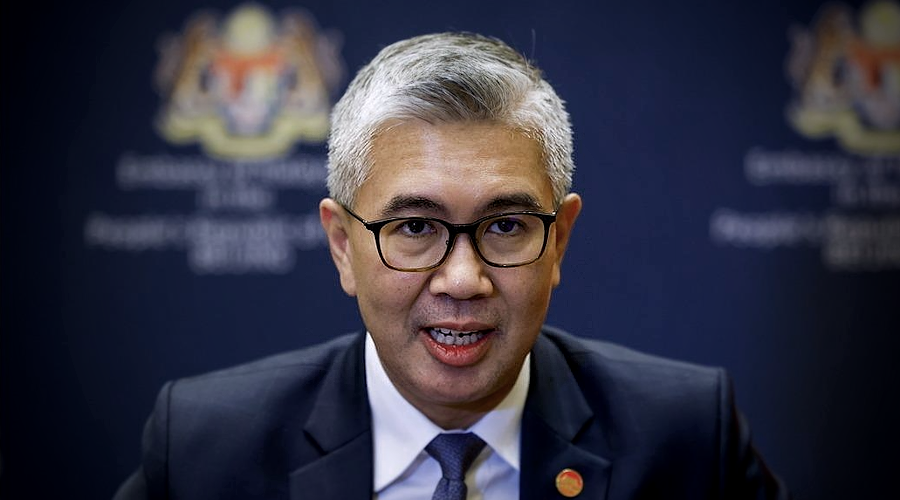
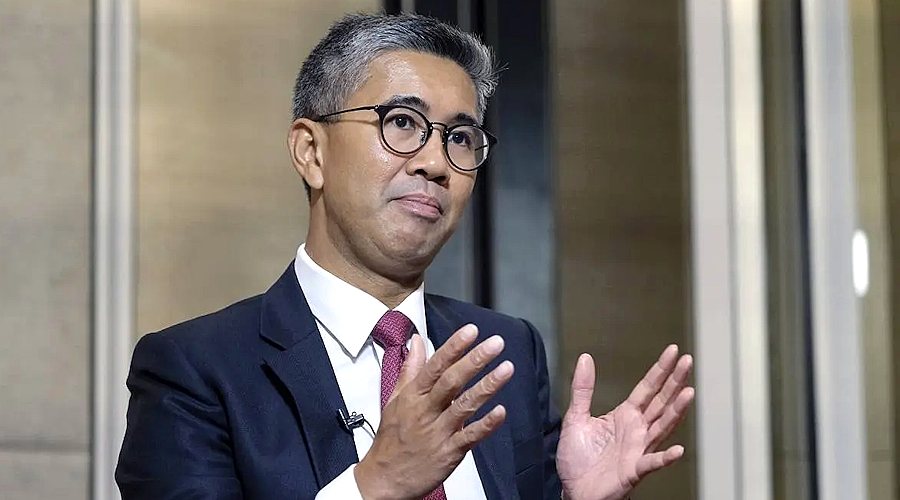
A month ago, Tengku Zafrul Aziz was warmly welcomed by the sports fraternity into their fold. On May 10, the corporate man turned rising political star was appointed the new president of the Badminton Association of Malaysia (BAM) for the 2025-2029 term. As a badminton fan, I also welcome Zafrul to play a more prominent role in Malaysian badminton. Why not, if a person of his stature is prepared to spend his time and resources to help develop our national sport! This past week, Zafrul has been hogging the limelight for a different reason, politics to be more precise. Not surprisingly, his decision to leave Umno for PKR is much more controversial than his appointment as the head of a sports association. Unlike the BAM appointment, not everyone is happy with his latest political move. His detractors have called him names, including the demeaning “political tourist” while his supporters said he would give “added value” to PKR, given his background and experience. As for me, being a keen political observer, I don’t think it would do the nation any good if certain politicians are placed on a high pedestal of indispensability or invincibility. At the moment, I don’t think there is any exceptional or extraordinary Malaysian politician deserving of the “statesman” status. None. Not any of our former prime ministers or the current one. There are no statesmen in Malaysia, as far as I’m concerned, only career politicians. Take that in with a pinch of salt, if you must. When someone is described as a political rising star, it is either because he is ‘blessed’ with strong cables and ascended the political ladder unusually quick, or he is regularly mired in controversy, positive or negative, good or bad. Zafrul is in that awkward situation today. His announcement that he has left Umno to join Prime Minister Anwar Ibrahim’s PKR has ignited significant controversy within the nation’s political landscape. This development has stirred tensions within the unity government coalition, highlighting underlying issues of party loyalty, internal dynamics and strategic maneuvering. Already, several Umno leaders have called for his resignation from the cabinet. They have also reminded the prime minister that Zafrul’s post as the minister of investment, trade and industry is an Umno quota and that it must be returned to the party. The many salvos from Umno against Zafrul were not unexpected given the minister’s strained relations within Umno. Zafrul’s relationship with Umno has been fraught with challenges. Following Umno’s poor performance in the 2023 Selangor state elections, where the party secured only two out of 12 contested seats, Zafrul resigned as the state chapter’s treasurer in April 2024, citing dissatisfaction with the party’s revival efforts. Sources suggest that internal power struggles and fears of being overshadowed led certain Umno leaders to sideline him, exacerbating tensions and prompting him to explore opportunities elsewhere. Umno has been very vocal about party-hopping of late, probably because the party is in a vulnerable state. No surprise that it has expressed strong objections to […]
6月前

Rumors are swirling again: Khairy Jamaluddin may be making a return to Umno, the very party that expelled him in 2023. Rafizi Ramli has stepped down from his ministerial role after losing in PKR’s internal polls recently. Nik Nazmi Nik Ahmad, once a rising star of environmental reform, has also resigned from his cabinet post. Just a few years ago, these were the faces many Malaysians pinned their hopes on: young, articulate, data-savvy, and principled. Today, they appear sidelined, disillusioned, or recalibrating their paths. At the same time, Nurul Izzah Anwar, after years of political turbulence and critique, has returned to a leadership role, winning the PKR deputy presidency. Her re-emergence adds complexity to the picture: not all young leaders are retreating, but many continue to navigate a system that rewards conformity over innovation. What does this tell us? On one level, it’s about internal party dynamics, ministerial frustrations, and the wear and tear of governing in a coalition system. But on a deeper level, these developments point to a fundamental political question Malaysia can no longer avoid: Are we truly ready to embrace a new generation of leaders, or are we still beholden to the old political script, endlessly recycling names and clinging to personalities instead of principles? These recent dramas are not isolated incidents. They reflect a broader political system that often sidelines those who challenge its entrenched norms. Khairy Jamaluddin, once viewed as a moderate within Umno and known for his steady handling of the Covid-19 crisis, was removed after clashing with the party’s leadership. His possible return to Umno now raises important questions: is it a tactical recalibration, or a sign that even reform-minded figures must eventually conform? Rafizi Ramli’s trajectory tells a similar story. Some welcomed his return to politics as a chance to inject policy-focused thinking into government. Yet his resignation in 2025, following a party leadership loss, points to deeper frustrations with internal party dynamics and the limitations of governing within a fragmented coalition. In many democracies, such resignations would trigger serious reflection within parties about leadership renewal and political direction. In Malaysia, they pass with little more than passing commentary, underscoring how normalized political inertia has become. Familiar faces, familiar failures The issue isn’t merely the exit of new leaders. It’s the persistent recycling of old ones. Mahathir, Najib, Anwar: Malaysia’s political discourse remains anchored to a narrow circle of familiar names. Some may have played historic roles, but history should not dictate the future. There is something almost ritualistic about our national tendency to revert to the same figures in times of uncertainty, as if political navigation is only possible through well-worn paths. Yet these very individuals were architects, or at the very least, beneficiaries of the political system we now recognize as flawed. The rumored return of Khairy Jamaluddin to Umno, if it materializes, might be a calculated move. However, it also reflects a deeper malaise: Malaysia’s political landscape often presents reform-minded actors with two choices: be absorbed into the […]
6月前
更多PKR
















 登入
登入
 Newsletter
 联络我们
联络我们
 登广告
登广告
 关于我们
关于我们