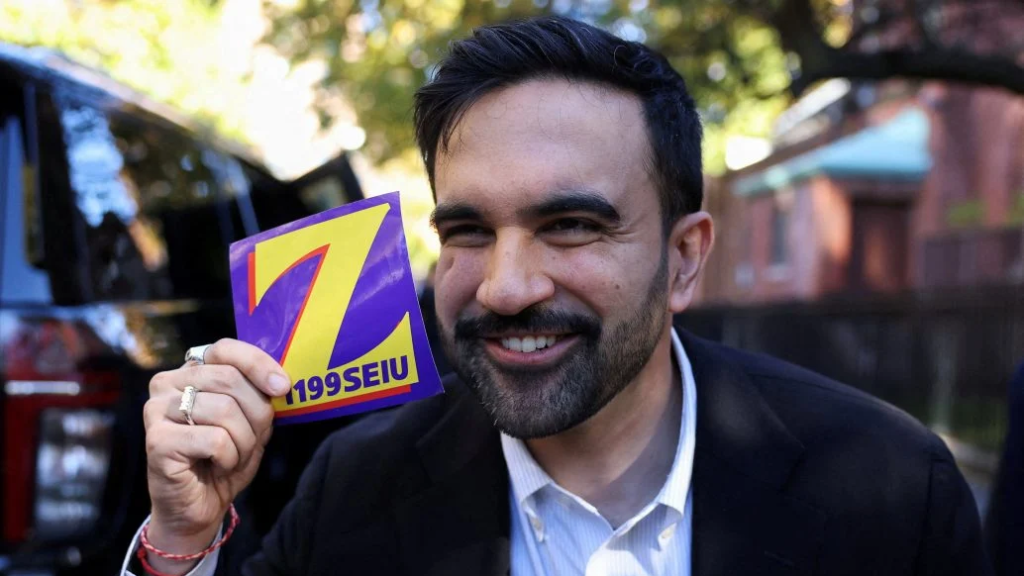
Democratic left-wing congressman Zohran Mamdani has broken multiple historical records by being elected mayor of New York City, United States. He is not only the first Muslim mayor in New York’s history but also the youngest in a century. Moreover, he is the first candidate since 1969 to win over one million votes and is expected to secure more than 50% of the total vote share. How did a far-left American politician—who is also a staunch critic of Israel—win in a city full of millionaires and with a large Jewish population? Many factors contributed to his success, but one particular gesture deeply moved New Yorkers. It’s a gesture worth every politician’s attention. In fact, this “gesture” is not a secret weapon. The key lies in whether politicians are willing to humble themselves and do it. As The New York Times once described it, Mamdani possesses “a rare gift for listening.” When interviewed, Mamdani often demonstrates unusual thoughtfulness—pausing for over twenty seconds before answering questions, taking time to reflect carefully. His responses are calm and measured, showing respect for both the question and the discussion. After winning the primary round, he proactively reached out to nearly every business and cultural leader in the city he could contact, sincerely listening to why they opposed him. This showed an extraordinary willingness to learn and to be inclusive. His campaign videos, which went viral and helped him gain fame, authentically recorded him walking the streets of New York, actively asking citizens questions, and patiently listening to their answers—never interrupting, never brushing anyone off. This simple but sincere act struck a chord with many. Voters saw in him not just someone who “represents them,” but someone who genuinely “reaches out to them.” Mamdani’s sincerity in listening aligns with what many philosophers call the deliberative theory of democracy—the belief that the core mechanism of democracy is not merely voting but dialogue and discussion. True democracy is not just casting a vote; it’s the ongoing exchange of differing opinions and rational debate that shape that final choice. Voting is only the outcome—dialogue and discussion are the process that create it. As a respectful and inclusive political style, “deliberative democracy” allows citizens to feel truly heard while breaking the stereotype that politicians are self-serving and manipulative. Through deeper, more genuine engagement, political leaders can better understand public needs and build mutual trust. This kind of deliberative political communication helps enhance both political legitimacy and public trust. When voters believe their opinions are genuinely valued—rather than ignored or manipulated—the overall confidence in the political system grows significantly. Mamdani possesses a rare talent for listening—a quality that is both fundamental and too often neglected by politicians. As for Malaysian politicians, one must wonder: do most of them have this gift? Likely not. But even without natural talent, one can still choose humility—join the people, listen sincerely to their voices. The worst thing is not failing to understand, but refusing to listen. Ignoring the people’s voices and neglecting their concerns will […]
4星期前
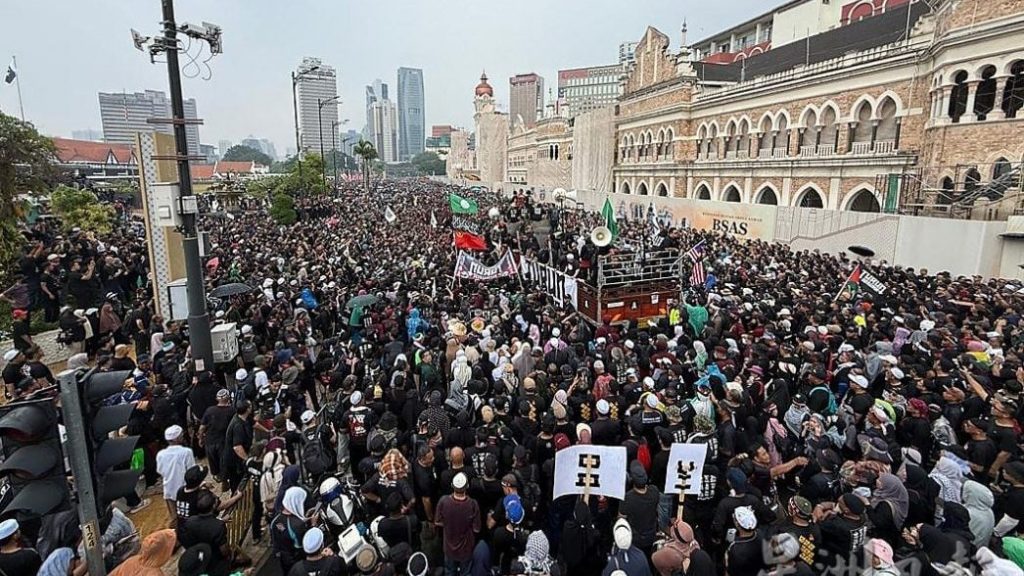
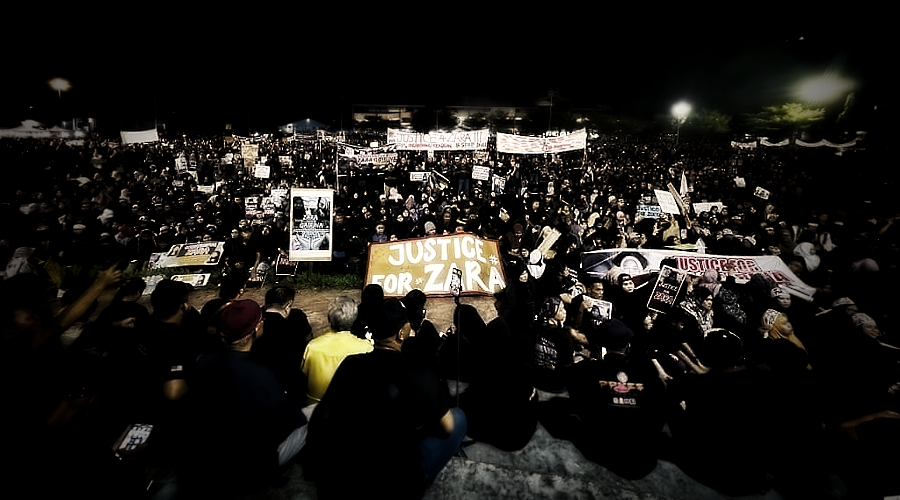
The “Turun Anwar” rally last Saturday was not significantly different from a series of similar rallies recently held by PAS under Perikatan Nasional. The same group of “old politicians” was dominant and loudly criticising Prime Minister Datuk Seri Anwar Ibrahim through microphones, but offering little in terms of fresh content or strategy. Although the participation of social media influencers and university students added some new faces, the overall episode remained repetitive, failing to inject new momentum or issues into the opposition’s camp. From the perspective of Perikatan Nasional (PN), what they seek is not new arguments but the ability to create a shock effect through sheer numbers. Even if the rhetoric is recycled, as long as crowds gather in large numbers, the spectacle alone can serve their political objectives—exerting pressure, stirring emotions, and creating the public perception that Anwar’s government is on shaky ground. For them, form matters more than content, and headcount outweighs arguments. Before and after the rally, PAS exaggerated the turnout. In reality, the crowd numbered in the tens of thousands, yet they confidently claimed an attendance of 500,000 without blinking. For PN, this is not only about projecting strength externally but also a morale-boosting call to its supporters internally. They aim to build a collective illusion that “a wave is rising,” thus paving the way for further mobilisation and support. After the rally, Anwar posted on social media to present himself as a democratic leader who respects the freedoms of assembly and expression. He appeared calm and magnanimous, showcasing a sense of democratic maturity. Of course, Anwar knew that cracking down on the rally would backfire. Unlike in Najib’s era, when riot police and tear gas were used to disperse crowds, such scenes were absent this time—and that deserves some credit. However, from another perspective, PN may spin this as Anwar being “caught off guard by unexpectedly large numbers” and forced to back down. They could further claim the rally proved that public pressure is effective, amplifying its political impact. Protesting on the streets is familiar territory for Pakatan Harapan (PH) politicians. Many PN leaders today were once part of those same street protests. They are simply recycling the protest playbook they learned during their time in PH and using it against PH now. Of course, rallies like these can’t overthrow the government or force Anwar to resign—after all, he holds a relatively stable majority in Parliament. PH knows from past experience that rallies are never a one-stop solution. Even PN, despite its tough rhetoric, understands this reality. That’s why PN leaders have not responded to Anwar’s challenge to table a vote of no confidence—because they simply don’t have the numbers. A second “Sheraton Move” also carries risks. The Malay rulers pose the biggest obstacle, and most citizens do not want to see further political instability. Moreover, although PN leaders often claim someone more capable than Anwar should lead the country, they can’t seem to say who that person is. That said, if PH becomes complacent […]
4月前
更多Anthony Chong Lip Teck






 登入
登入
 Newsletter
 联络我们
联络我们
 登广告
登广告
 关于我们
关于我们