Turkiye’s willingness to contribute troops to a proposed International Stabilization Force in Gaza has drawn wide international attention. The devastation in Gaza is immense, and any credible effort to stabilise the territory appears urgent. Turkiye’s readiness looks decisive and humanitarian-driven. But readiness is not the same as legality. Until the United Nations provides the necessary mandate, Turkiye cannot move from preparation to deployment. And this distinction is crucial for ASEAN to understand. Reports from Ankara point to a high level of internal readiness. Turkiye is said to be assembling a brigade-sized formation of 2000 troops. This includes engineers, logistical experts, medical teams and explosive ordnance disposal units. Such specialised personnel signal a mission primarily designed for reconstruction rather than coercion. The proposed force is tied to a U.S.-brokered Gaza peace plan. Washington envisions a multinational presence to support humanitarian access, rebuild infrastructure and stabilise Gaza during a transition period. But the plan remains political, not legal. It does not yet have the authority of a United Nations Security Council mandate. Turkiye is aware of this constraint. Ankara has repeatedly stated that any deployment must be grounded in a clear UN resolution. Without that resolution, Turkiye would risk violating international law. It would also risk being perceived as acting unilaterally in one of the world’s most sensitive political theatres. Israel’s outright rejection of a Turkish role adds further difficulty. Tel Aviv does not trust Turkiye’s political stance on Gaza. That distrust complicates Washington’s efforts to assemble a broad multinational force. If one of the core actors on the ground rejects a key contributor outright, operational planning becomes extremely uncertain. Turkiye has also clarified its intentions. Ankara insists the mission must be humanitarian in nature. It does not want the ISF to become an armed mechanism to force disarmament on Hamas or any other Palestinian faction. Such a mandate would require Chapter Seven authorisation. That level of authority is unlikely to pass through a divided Security Council. There are credible reports that Turkiye has begun identifying troops and specialists across its armed forces. But internal mobilisation does not override the legal limitations. Without a UN mandate defining command structures, rules of engagement and mission scope, the forces cannot enter Gaza under international law. The latest Security Council resolution endorsed elements of the U.S. peace plan. But endorsement is not authorisation. It outlines political intentions, not operational permissions. Peacekeeping requires clarity, and that clarity is still absent. This is why ASEAN should pay attention. The Gaza conflict influences public sentiment throughout Southeast Asia, especially in Muslim-majority states. A mission without legal grounding could trigger diplomatic controversy. It could also undermine long-standing ASEAN principles of international law and non-interference. ASEAN must recognise that genuine humanitarian missions depend on legitimacy. Stability cannot be delivered by enthusiasm alone. Turkiye may be prepared, but Gaza is not legally ready. Until the United Nations completes the mandate — with clear authority, defined responsibilities and international consensus — no deployment can proceed. Turkiye’s readiness is real. But legality must […]
2星期前
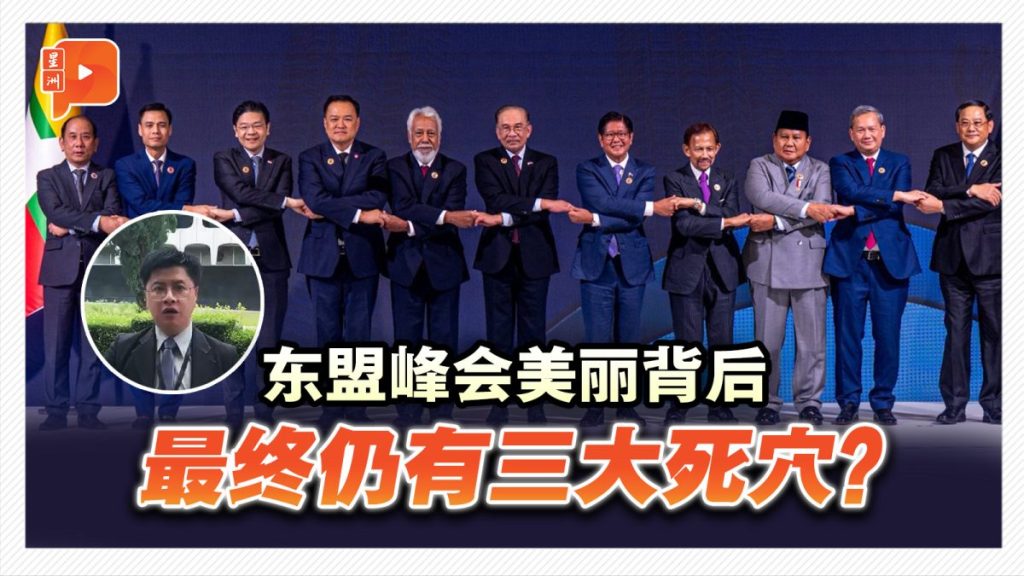
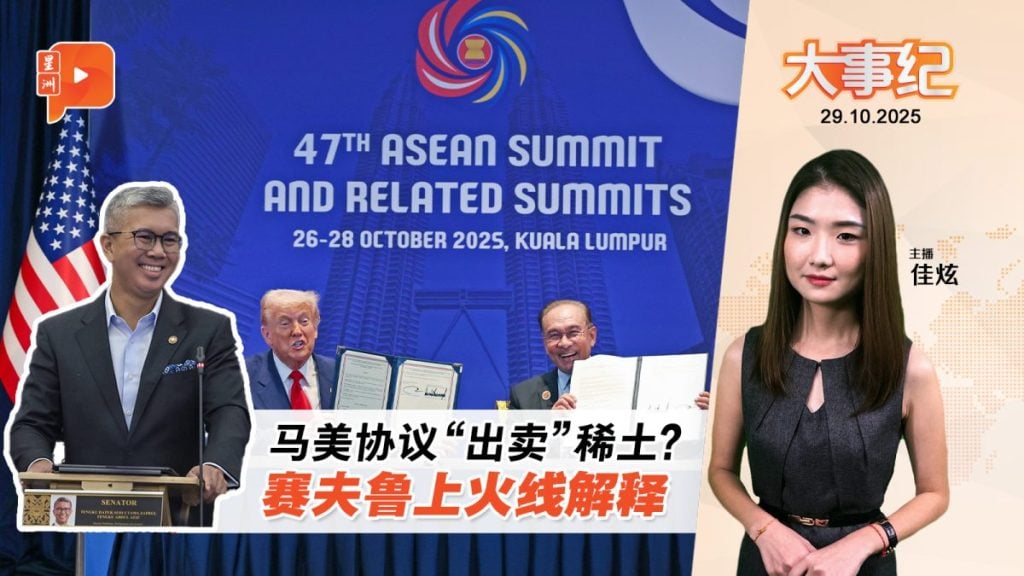
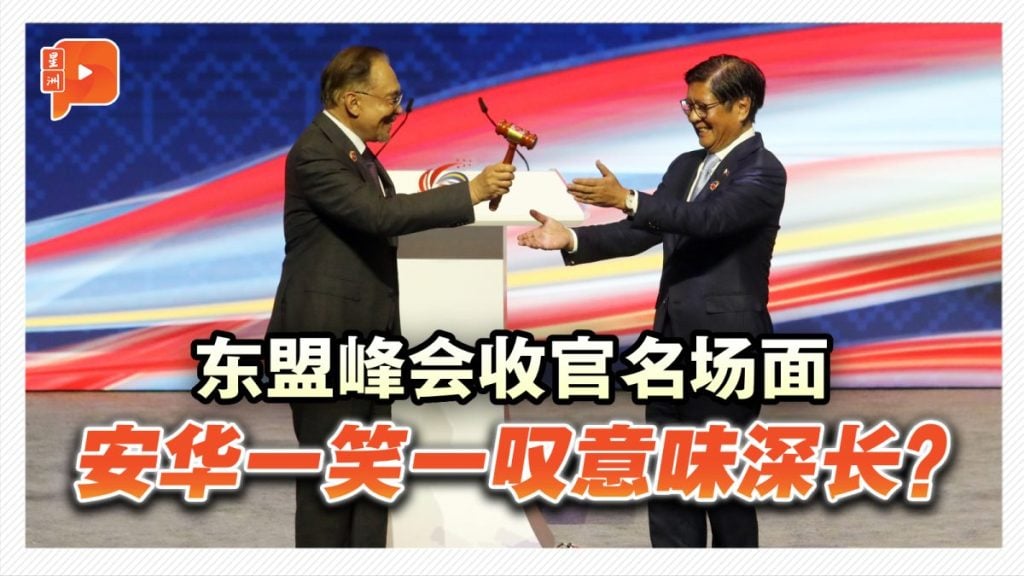
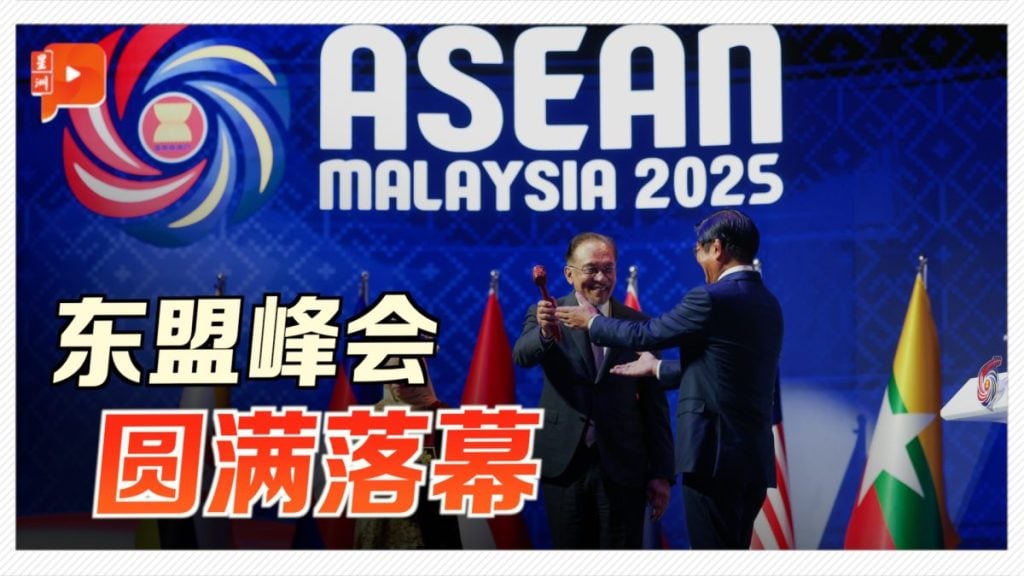
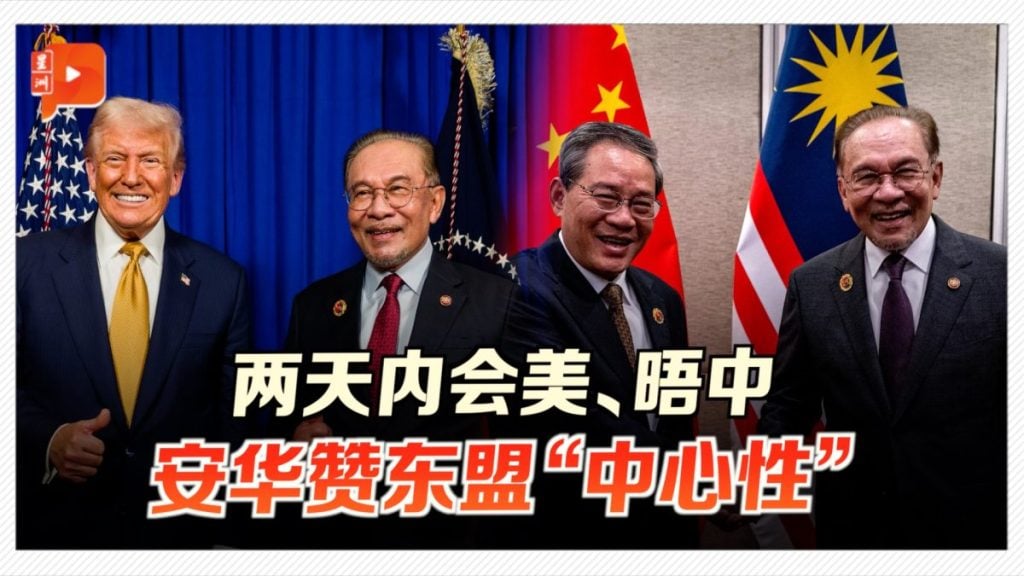
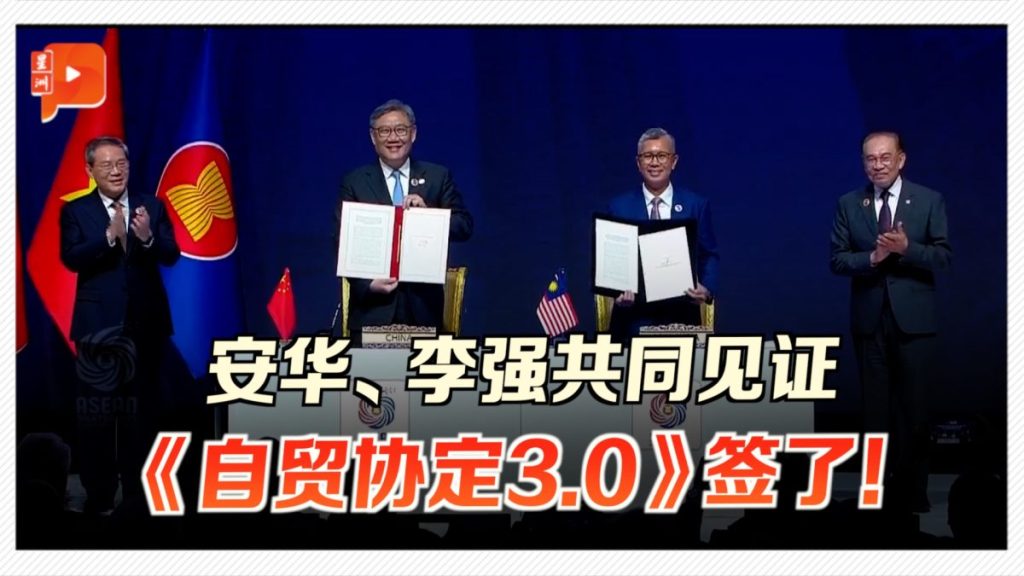
It’s not a stretch to say that the 47th ASEAN Summit and its related meetings were the most consequential—and successful—in our region’s history. Last week, Malaysia played host to virtually the entire world, when political, business and civil society leaders from Africa, the Americas, Asia, Europe and Oceania descended on Kuala Lumpur. Our well-attended ASEAN Summit bucked global trends. In a time of fragmentation, it was a feat to see the US, China, India, Russia, Brazil, South Africa and other countries congregate in our capital. It’s a timely reminder of ASEAN’s continued relevance not only as a bloc, but also as a neutral platform of engagement, and a convenor of major economies. Understandably, Donald Trump stole the show, as did the Agreement on Reciprocal Trade (ART)—but these do not dilute the numerous achievements of Malaysia’s 2025 ASEAN Chairmanship. A successful chairmanship First: ASEAN is now 11-strong. It was an emotional moment and Malaysia is proud to have facilitated Timor-Leste’s signing of the Declaration of Accession. Second, Ministry of Investment, Trade and Industry (MITI), together with other relevant ministries under the Economic Pillar, would be able to complete most of the 18 Priority Economic Deliverables (PEDs) by the end of 2025. The quest to increase intra- and inter-regional trade received a major boost with the upgrade of the ASEAN Trade in Goods Agreement (ATIGA) and the ASEAN China Free Trade Area (ACFTA 3.0)—bringing us in line with the latest developments in the digital and green economies, and modern supply chain connectivity. Furthermore, we’re confident that the Digital Economic Framework Agreement (DEFA), targeted to be signed next year, will provide policy clarity on all aspects of our digital economy, supported by energy security as envisioned by the ASEAN Power Grid (APG). Malaysia also successfully hosted the 5th Regional Comprehensive Economic Partnership (RCEP) Summit—the first in-person meeting since it came into force. Meanwhile, Malaysia concluded its FTA negotiations with dynamic South Korea—whose trade with us stood at RM100.74 billion (USD24 billion) in 2024. We hope this will enable stronger cooperation in areas like E&E, scientific equipment and artificial intelligence (AI). All this shows that Malaysia—complementing ASEAN Centrality—remains able to engage all global blocs. We provided, on ASEAN’s sidelines, a venue for the US and China to convene, highlighting our role as a bridge-builder between nations. We have not—and will not—abandon our decades-old geopolitical neutrality, or our unwavering support for a free and independent Palestine. The ‘ART’ of ‘David’s trade negotiations with Goliath’ Which brings us back to the ART, as well as the Memorandum of Understanding (MoU) on Critical Minerals Cooperation Malaysia signed with the US. In reference to all the analyses that have been offered post-signing of the ART, the key question is: would SMEs and workers in our Malaysia-US export ecosystem be better off losing access to our biggest export market (valued at almost RM200 billion)? To put things into a different context, the US has also been one of our biggest sources of foreign investments, which cumulatively stood at RM218.2 […]
1月前
更多ASEAN







 登入
登入
 Newsletter
 联络我们
联络我们
 登广告
登广告
 关于我们
关于我们