
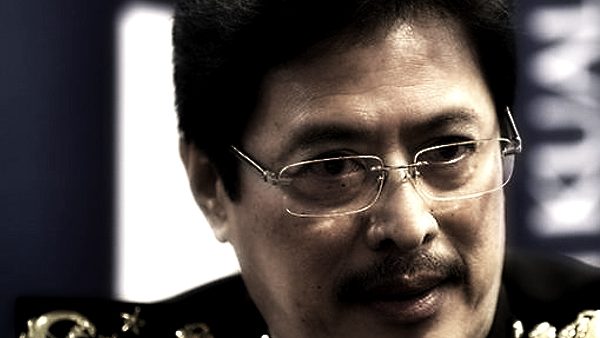
There is a question many are grappling with. Why is it that difficult to find a replacement for Tan Sri Azam Baki, the chief commissioner of the Malaysian Anti-Corruption Commission (MACC)? While most senior civil servants retire and are replaced routinely, Malaysians are asking why is it almost “impossible” to find a new MACC boss. Surely, Azam is not indispensable, or is he? There are already talks that Azam’s tenure will be extended again. If this takes place, it will be his third extension and many are asking the government, Prime Minister Datuk Seri Anwar Ibrahim in particular, as to why a new MACC chief has not been identified yet. There have been unidentified sources within the government who have attempted to explain that the MACC chief’s position is exceptional because it lies at the intersection of law enforcement and politics. Hence, the government needs more time to find a capable and responsible candidate—a person of integrity and reverence. But the people are asking, “Why is it taking that long to find a replacement for Azam?” Azam’s extended tenure is seen by critics as symptomatic of a broader issue: the lack of structural independence of the MACC and the political leverage involved in its leadership. Until reforms are made to ensure genuine independence and oversight, the role is likely to remain controversial. What is also clear is that the role of MACC is inherently political. It is tasked with investigating corruption, which often involves powerful political figures, government agencies and high-level officials. This puts the MACC chief in a uniquely influential position, where their independence, neutrality and integrity are under constant scrutiny. Unlike other civil service positions, the MACC chief’s—or inactions—directly affect political careers, legal outcomes and public trust in governance. It is understandable why Azam is not exactly a popular figure. His tenure has been marked by a significant controversy which has also incurred public backlash. In 2021-2022, he was accused of owning millions of shares in public-listed companies, allegedly beyond what is permitted for a civil servant. He claimed the shares were held on behalf of his brother, which raised further questions about ethics and transparency. This led to calls for his resignation and even public protests, including the formation of the #TangkapAzamBaki (Arrest Azam Baki) movement. Despite this, he was cleared by the Securities Commission and retained his position, and his tenure has since been renewed twice, most recently in 2023. No one is surprised with the recent call by Suara Mahasiswa UMS on the government to reject any proposal to extend Azam’s contract as MACC chief. The Sabah-based student group said Azam’s continued leadership would undermine public trust in the MACC and contradict the government’s own anti-corruption reforms. “This action is a form of betrayal of the institutional reform promised by Pakatan Harapan as the largest bloc in the Madani government. “The prime minister must reflect on the fact that he himself was once at the forefront of the ‘Tangkap Azam Baki’ demonstration in 2022,” the […]
9月前
更多Azam Baki















 登入
登入
 Newsletter
 联络我们
联络我们
 登广告
登广告
 关于我们
关于我们