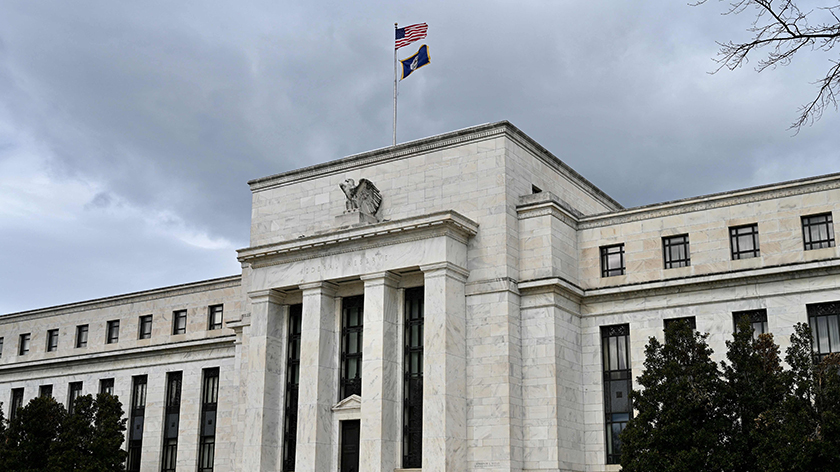
Central bankers are described as the high priests of high finance. That’s because they control high-powered money, commonly known as the monetary base, or the sum of currency in circulation plus commercial bank deposits with them. By buying government bonds from banks or the market (which expands central bank balance sheets), the commercial bank reserves rise, improving market liquidity and therefore tend to reduce short-term interest rates. In effect, central banks affect market sentiment by expanding their balance sheets (technically called quantitative easing), since buying long-term bonds lower their yields, whilst increased liquidity lowers short-term rates, thus changing the entire interest rate curve. When central banks tighten liquidity, interest rates rise, affecting asset prices and impact the real economy through influencing economic growth and jobs. Central banks seek to implement monetary policy to maintain price stability and financial stability, which is today seen as a professional and technical job requiring autonomy of operations, if not policy independence. However, one should never forget that the first central bank was created in Sweden in 1668 to finance the government and operate the bank clearing house. When the currency was pegged against gold (the gold standard), central banks operated a simple rule – no gold, no monetary creation. However, governments quickly found out that central banks can fund huge government deficits at the risk of inflation. Governments with high debt do not like high interest rates, since there comes a point whereby the fiscal debt interest burden becomes unsustainable. Thus, central bankers have the unpleasant task of what 1951-1970 Fed Chairman William McChesney Martin called, “taking away the punchbowl just as the party gets going ”, namely, tell the Minister of Finance what he does not want to hear – the need for fiscal tightening. Inflation typically occurs when governments borrow too much money and force central banks to monetise their debt. After all, inflation erodes the real value of government debt. Argentina inflated away its debt regularly. Debt-distressed governments, mostly developing countries, simply default. The Federal Reserve Bank of Kansas City’s Annual Economic Policy Symposium is where serious central bankers go for their annual pilgrimage, mostly to hear the Federal Reserve Board Chairman pontificate on the latest outlook for US interest rates. This year’s meeting was highly politically charged because United States President Donald Trump has repeatedly called Federal Reserve Chairman Jerome Powell names as well as asking him to resign immediately. Pilling on the pressure last Monday, Trump announced he was firing Lisa Cook, a member of the Fed Open Market Committee. Everyone was waiting to see whether Powell would strongly defend the leading central bank’s independence. In his carefully worded speech last Friday, Powell basically used technical jargon to vaguely hint that there may be room for cuts in September, sending the Dow Jones up to record highs. If the Fed complies with the suggestion two weeks earlier by US Treasury Secretary Scott Bessent to move neutral (net zero real) Fed interest rates to 150 basis points lower, you can […]
3月前
更多central bank






 登入
登入
 Newsletter
 联络我们
联络我们
 登广告
登广告
 关于我们
关于我们