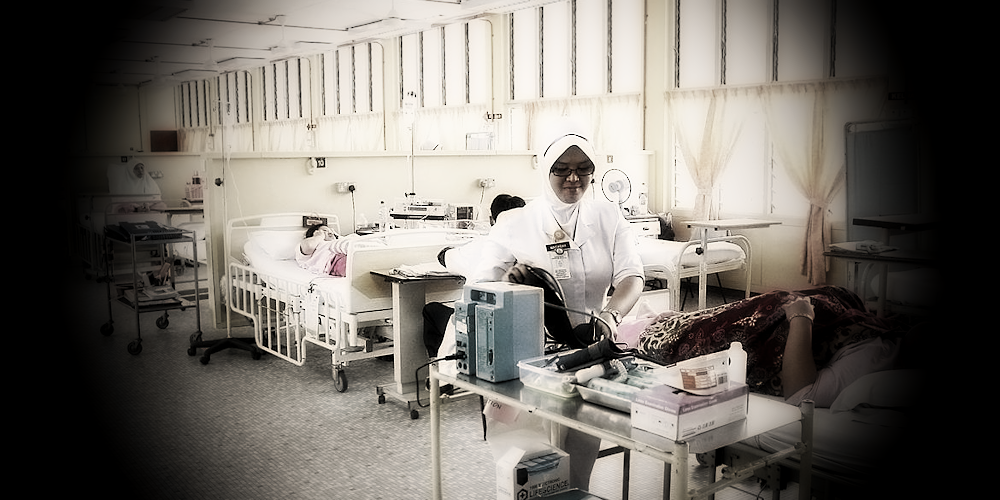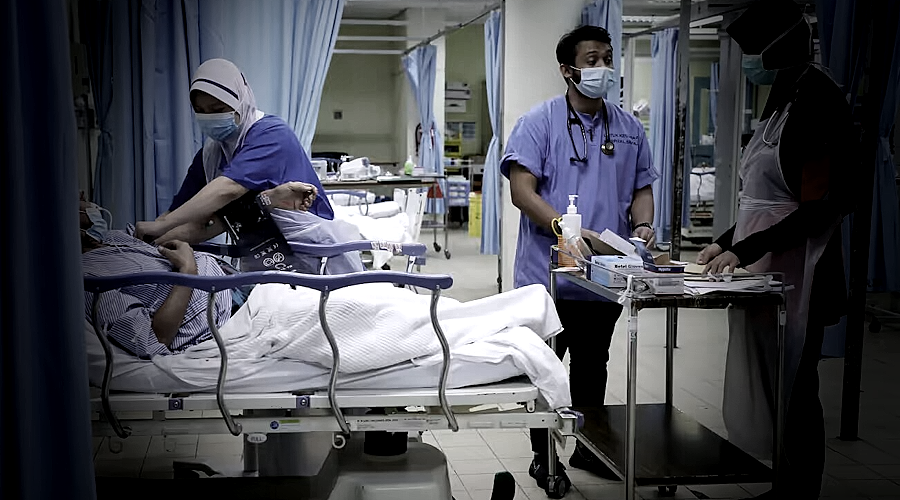
Budget 2026 is going to be tabled on October 10 by Prime Minister Datuk Seri Anwar Ibrahim who also doubles as the finance minister. Most Malaysians are anticipating that proactive and positive socio-economic measures will be announced in Budget 2026. Various groups of Malaysians are facing hardship due to the escalating general prices that burden the people with a higher cost of living. Both the B40 and the M40 are affected to various degrees, and the government needs to unveil a package of measures to cope with the runaway prices of household essentials and the cost of eating out in restaurants, food courts and shops. The government is expected to unfold positive and proactive steps to stimulate the local economy especially now that the international situation that has been exacerbated by the US tariffs and the increasing tensions in the Middle East and elsewhere. One of the groups that are severely affected by the higher prices of almost everything in the country is the senior citizens. The primary complaint from the seniors is the problems associated with affordable healthcare which affect the general populace, and more so the elderly. The costs of treatment, surgery and medicines have skyrocketed in private hospitals and senior citizens are much worried about this. Alternatively, the long delay in government hospitals make it less attractive for urgent treatments. Senior citizens are caught between higher costs in private hospitals and long delays in government hospitals. The Prime Minister could announce in Budget 2026 that healthcare for senior citizens needs be fast tracked to make it more senior friendly. With special financial allocations the government can also introduce a system of having a separate wing in some hospitals to cater specifically for old age such as heart related problems, ENT, cataract surgery, kidney treatment, arthritis, diabetes and many others. This will ensure better utilization and allocation of doctors, specialists as well as medication and treatments. More of the elderly can be treated under this system as compared to the present procedure of grouping senior citizens in the general category, which is the core of the problems for delays, some of which lead to numerous serious medical complications for the elderly. Hoping for drastic reforms and changes in the nation’s general healthcare system is not going to materialize soon but, in the meantime the government can assist the vulnerable senior citizens by implementing separate wings in district hospitals and others to cater specifically for the elderly. This will be a good initiative to start a system that will minimize the complaints from the increasing numbers of seniors against the healthcare service. It is much anticipated that a separate wing to cater for the fast-growing population of senior citizens will be implemented in certain hospitals. It is also hoped that this will be a reality as part of some expected changes and allocation that will be tabled for healthcare in Budget 2026. (V. Thomas has been regularly contributing to Malaysian newspapers for the last 40 years.)
2月前
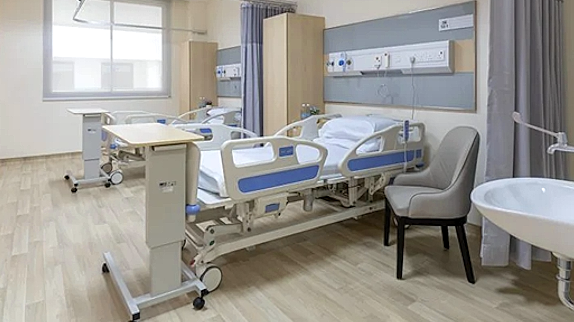
With the US government shutting door on “unconditional foreign aid”, Southeast Asian countries are bearing the brunt, facing a crisis of slashed healthcare budgets and stalled public health programs. Countries like Cambodia, Laos, Myanmar, Philippines, Thailand and Vietnam are seeing disruptions in vaccinations, infectious disease control (such as tuberculosis and AIDS), maternal-child healthcare, rural clinics and health education. Hundreds of millions of aids slashed, who can these countries turn to? Or can ASEAN break the cycle of dependency and become self-reliant? Adrian Pereira, the executive director and co-founder at North-South Initiative (NSI), a Malaysia-based organization dedicated to advancing human rights and social justice causes helping migrants and refugees, finds it hard to say no. “We simply can’t tell vulnerable people that we can’t help them. It’s impossible to say that,” said Pereira. Although NSI doesn’t directly receive funds from USAID, global aid cuts have created a ripple effect, causing the organization to lose about 40 percent of its donations. “We run large programs to help migrants, refugees, and non-citizens in Malaysia. Some are HIV or AIDS patients. Now, we can’t even provide basic medical care—this is sad,” he said. As of July 1, 2024 (U.S. time), USAID—founded in 1961—was officially shut down, ending all foreign aid operations. Some projects aligned with Trump-era policies were transferred to the State Department. Even earlier, Trump signed an executive order to begin U.S. withdrawal from the WHO, leaving it with a massive budget shortfall. Pereira revealed that NSI had written to the Ministry of Finance for support two years ago, but never received a response. As donations plummeted, staff had to dip into personal savings or borrow from family to keep humanitarian services running. “We don’t want to rely on foreign funds forever, but the Malaysian government offers no financial support to small and mid-sized NGOs focused on migrant and human rights. We can only rely on charity and overseas aid,” he said. The U.S. is the world’s largest donor of foreign aid. According to ForeignAssistance.gov, USAID allocated USD 837 million to eight ASEAN countries in 2024. Top recipients include Myanmar ($238M), Indonesia ($151M), Vietnam ($135M), and Thailand ($20.45M). Wealthier countries like Singapore and Brunei were excluded. Indonesia, ASEAN’s largest economy, has implemented over 400 USAID-backed projects, particularly in eliminating tuberculosis and AIDS. In 2023, TB overtook COVID-19 as the deadliest infectious disease in the country. Indonesia’s 400 Projects Now Uncertain Previously, USAID had agreed to extend its bilateral cooperation with Indonesia until September 2026, including an additional $150M investment—now, all up in the air. Philippines organizations seek new funds In the Philippines, USAID cuts pose a threat to rising HIV infections. LGBTQ+ rights organizations are urgently seeking new financing strategies and donors. Landmine-clearing project in Vietnam halted Vietnam had to halt a rehabilitation and unexploded ordnance (UXO) clearance project for war victims. Various sectors in Cambodia impacted In Cambodia, agriculture, health, and mining projects are expected to suffer major impacts—possibly turning to other nations for help. Malaysian refugee agencies on the brink of […]
5月前
更多healthcare






 登入
登入
 Newsletter
 联络我们
联络我们
 登广告
登广告
 关于我们
关于我们