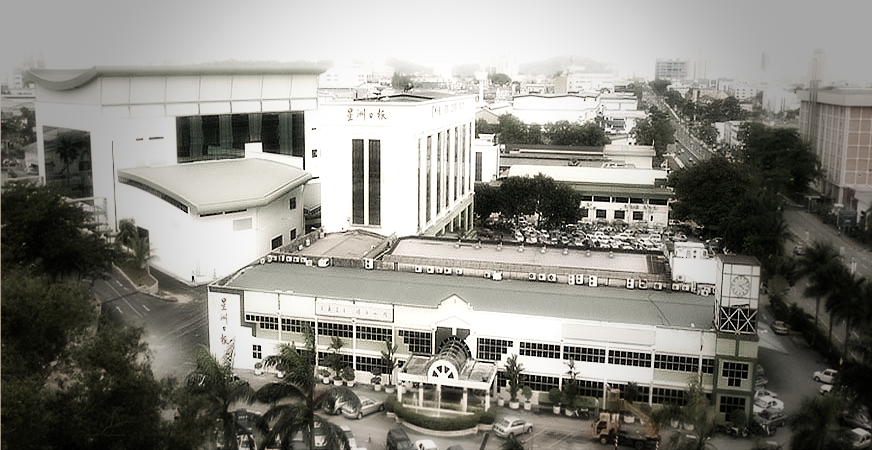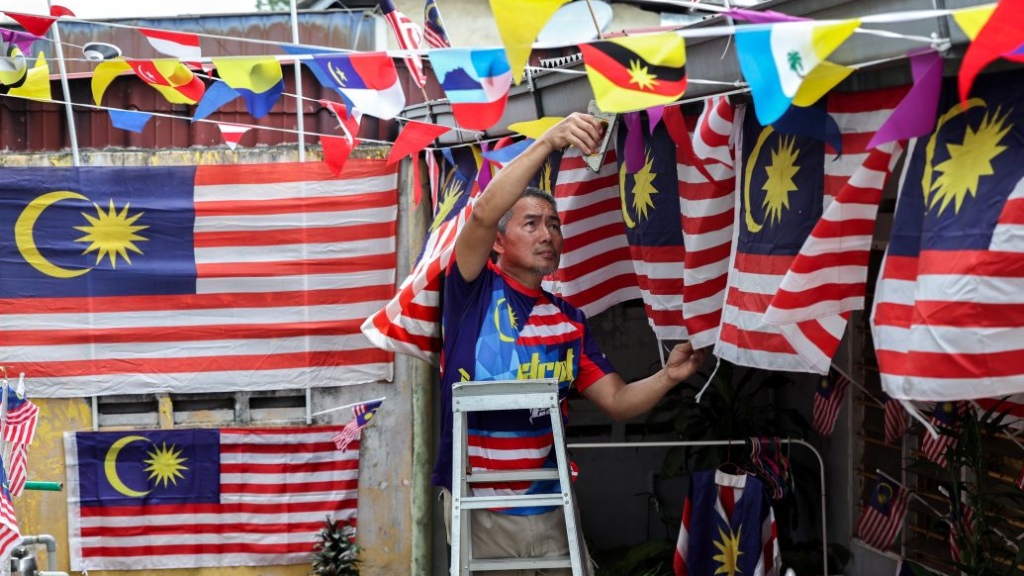
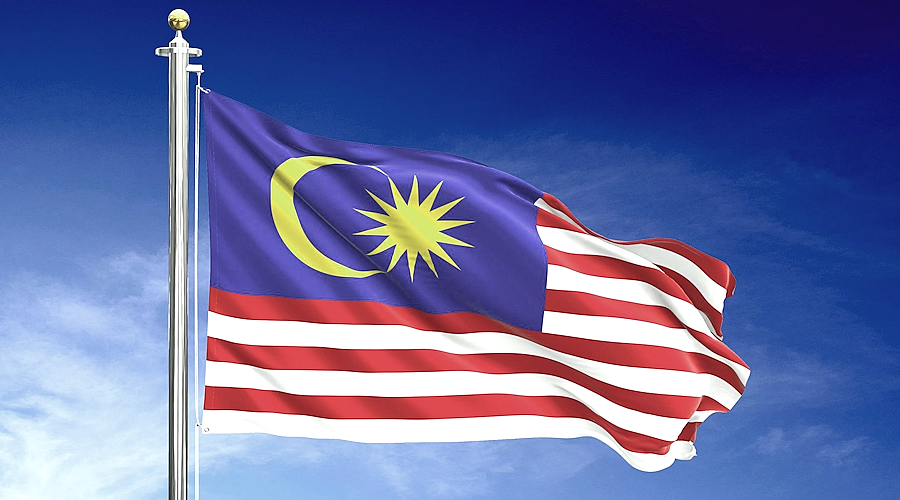
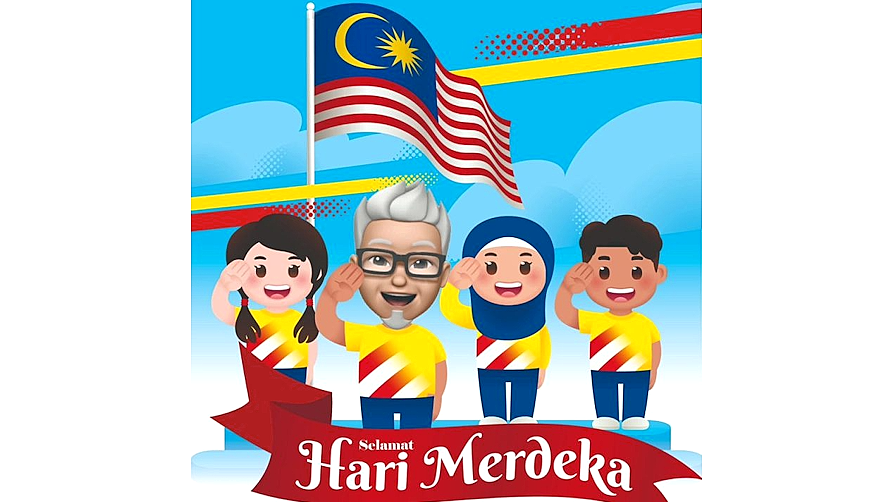
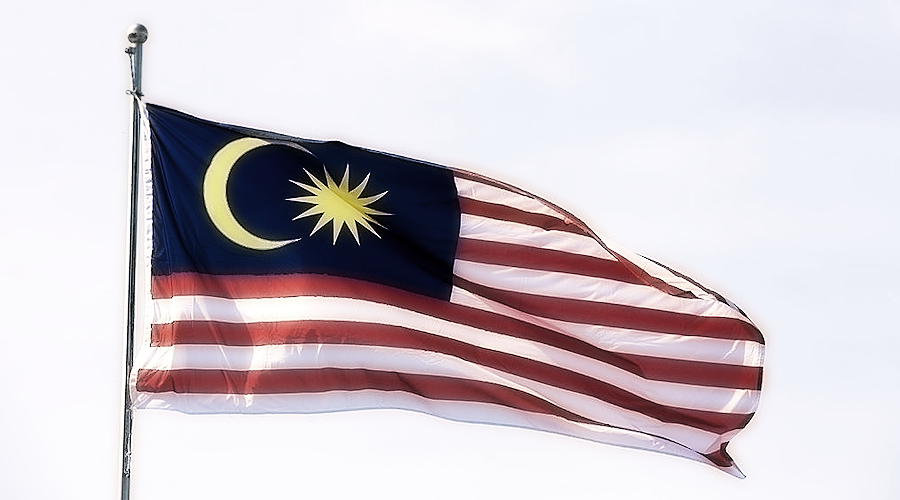
For years, incidents of misprinting or displaying the national flag wrongly have recurred. This year, my colleagues and I became the first “casualties.” Three enforcement agencies took turns questioning us as if we were criminals in a major case. We nearly ended up spending a night at the police station. Then came suspension from duty, followed by anxious waiting to see if charges would be filed. Although we eventually received a notice of no further action and returned to work, the dark cloud over the flag issue did not lift. Instead, it intensified into a full-blown storm months later—especially during the national day season, when “patriotism” dominates public discourse. In the north, political muscle-flexing took centre stage. In the south, some local governments went so far as to shut down businesses for 30 days over flag-related mistakes. Let me be clear: our mistake was genuine, and we apologised publicly in three languages. Privately, we repeated “sorry” many times and accepted the ridicule circulating online. We stood firm because a mistake is still a mistake. This is basic professionalism—quite different from the top ministry officials or politicians who made similar errors without the same accountability. During that time, we also witnessed the theatrics of so-called “patriotic artistes”—storming in with fiery gestures and dramatic speeches. Watching them, one couldn’t help but sigh and feel embarrassed for the nation. Thankfully, many readers and organisations sent messages of moral support—so many that our phones overheated. Others quietly reached out to help us. When the SPM results report misprinted the flags, the heat shifted away from us. The error then travelled to PAS in Terengganu, and later to another ministry. Yet I remain convinced that all these mistakes—including ours—were unintentional. Anyone with common sense knows there is no benefit in deliberately misprinting the flag. For their sake, I’m glad they didn’t endure what we did: handcuffs, detention threats, or near-overnight lockups. At our darkest moment, most mainstream media remained rational—reporting responsibly, upholding ethics, and protecting harmony. I could not help but give my fellow journalists a thumbs-up. It reminded me of last year’s KK Mart sock incident, after which Sin Chew Daily and many organisations launched the #MZB365 campaign (Maaf Zahir Batin – Wholehearted Forgiveness) to counter hatred with compassion. This remains our strongest armour against bullies. That is why I firmly believe that as long as mistakes are not deliberate, they should be met with tolerance. Those who shout “shut them down” or “strip citizenship” are beyond foolish. Even police stations have hung flags upside down before and badminton star Lee Zii Jia once wore a jersey with a wrongly printed flag. By their logic, wouldn’t punishments in those cases be absurd? At the height of the storm, information department held two briefings on how to display the flag correctly. But alongside practical advice came a long list of “don’ts”—effectively giving political bullies a magnifying glass for nitpicking. This crushed the spirit of National Day. Today, spotting a vehicle proudly flying the Jalur Gemilang […]
3月前
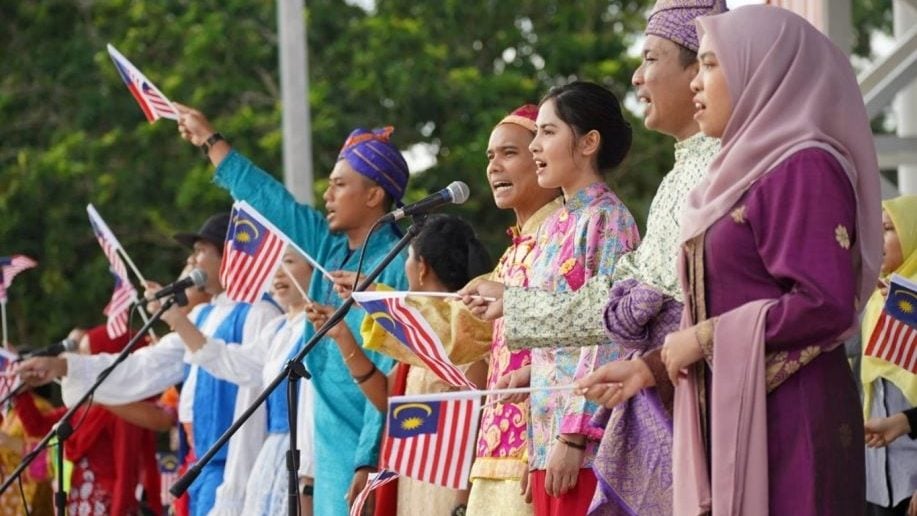
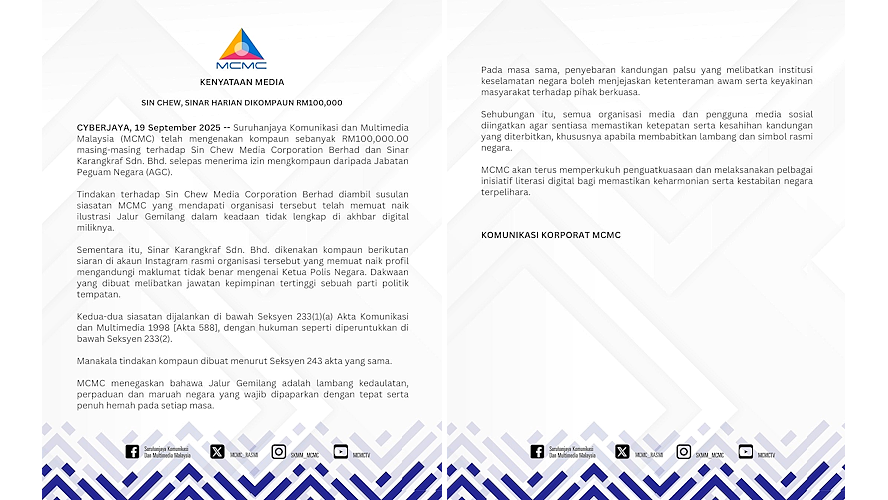
I remember when I was a child taking art classes, our teacher would always ask us to draw the national flag during the National Day month. Back then, the children might not have accurately sketched the actual design of the Jalur Gemilang, but with great enthusiasm, we poured our patriotic feelings onto the blank paper, each expressing creativity in our own way. In that moment, the children’s sense of patriotism was quietly awakened. They were bold and full of love for the country. No one would scold them for drawing a flag missing a stripe or a corner. Their creativity came purely from their heart not from rigid pressure imposed by adults. Later, the late patriotic singer Sudirman Arshad, during the closing ceremony of the 15th SEA Games in 1989 at the National Stadium, entered the venue wearing an outfit made of the national flag, shouted “Merdeka” three times and sang “To Know Malaysia is to Love Malaysia”, uniting the patriotism of both the audience in stadium and television viewers. No one accused him of “desecrating” or offending the beloved Jalur Gemilang. That was the golden era of Malaysia, when people wrote patriotic songs one after another. At the time, love for the country stemmed from heartfelt recognition, not fear of punishment. In the name of patriotism, we established guidelines for the use of the Jalur Gemilang. While the intention was to guide citizens to respect the national flag, the unintended effect was planting a sense of fear around its use, gradually suppressing people’s natural creativity and enthusiasm. People now fear that a small mistake in displaying or designing the national flag might lead to irreversible public outrage and punishment. The desire to show patriotism might instead become the spark for disaster. I believe that patriots would never maliciously insult, burn, desecrate or provocatively display the national flag. But for honest mistakes, we should respond with understanding and compassion, offering the offenders opportunities to learn and rectify—not treating them as treason. Recently, Malay tabloid Sinar Harian sparked a controversy when it re-used an old design template while creating an infographic for the new Inspector-General of Police, Datuk Seri Mohd Khalid Ismail, and failed to remove outdated information. In the past, media that made such errors would promptly clarify and correct them; if the mistake was severe, they would issue a public apology. The matter would usually settle soon after. Today, however, the norm is immediate police reports, intense public backlash and investigations that may lead to senior editors being suspended or dismissed. This toxic culture has left media workers living in deep fear and severely undermines the development of press freedom. Ensuring accuracy and quality contents are the professional duties of journalists. But we are all human—mistakes can happen. Society should give media space to correct, improve, and raise their standards. Chief editors and senior editorial teams work under tremendous pressure. Every day, they must complete editing and decide within tight deadlines, bearing full responsibility for headlines, texts and images. […]
5月前
更多Jalur Gemilang








 登入
登入
 Newsletter
 联络我们
联络我们
 登广告
登广告
 关于我们
关于我们