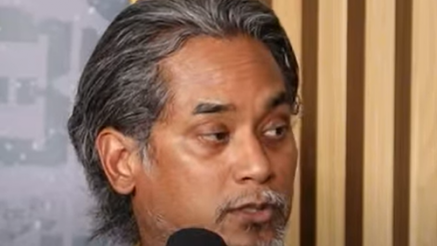
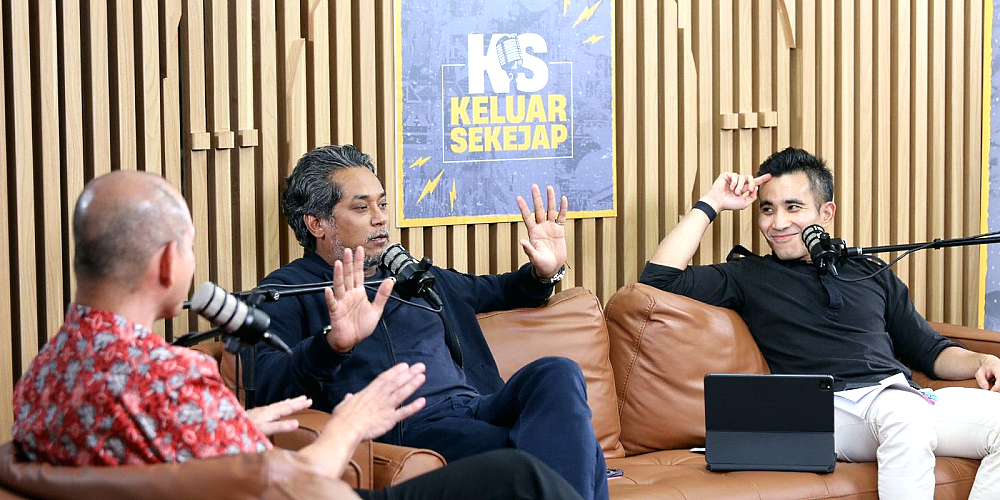
PETALING JAYA: DAP has faced an unprecedented voter swing in the 17th Sabah state election, with its support plummeting from 78% in the previous election to 27%, indicating that DAP is grappling with broader national-level political problems beyond local issues. “When the swing is so drastic, it reflects a major shift in overall sentiment within the Chinese community,’’ said Khairy Jamaluddin in the latest “Keluar Sekejap” podcast session. The former youth chief of Umno and a former Health Minister said that it remains uncertain whether this sentiment will extend to Peninsular Malaysia, but the current political atmosphere points in that direction, citing data provided by former Bangi MP Ong Kian Ming. According to Ong’s calculations, based on voter support in six Chinese-majority constituencies previously held by DAP, the swing was substantial. “The original 78% support has dropped to 27%, and this mainly happened in Chinese-majority constituencies. “ In other words, 51% of voters shifted from supporting DAP to supporting Warisan,” he said. Over the past three years, DAP has had to confront the realities of governing, resulting in significant political compromises — compromises that stand in stark contrast to the party’s earlier image of being “pure, firm, and even somewhat morally untarnished,” said Khairy. “The second point is, when you stand on a very high moral ground, the fall becomes more painful and more enduring,” he said. Khairy also pointed out that part of the backlash stems from what he described as a change in DAP’s attitude after having power. “As Ong Kian Ming said, power can breed complacency and arrogance,” he said. DAP suffered a crushing defeat in the recently concluded Sabah state election, losing all eight state seats the rocket contested.
4天前

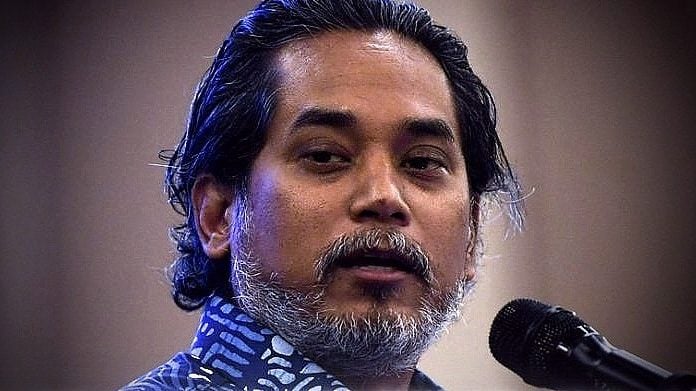
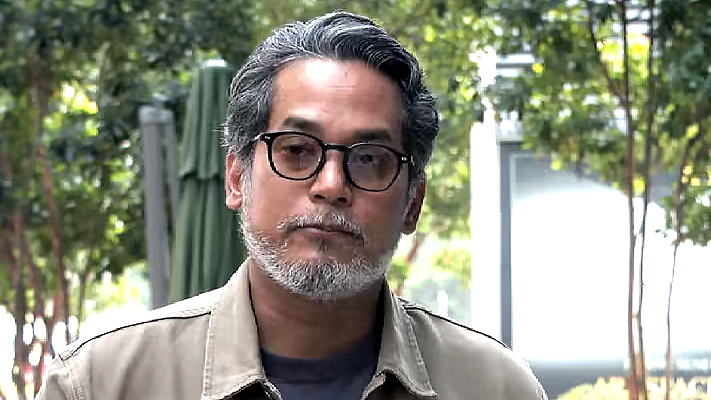
Rumors are swirling again: Khairy Jamaluddin may be making a return to Umno, the very party that expelled him in 2023. Rafizi Ramli has stepped down from his ministerial role after losing in PKR’s internal polls recently. Nik Nazmi Nik Ahmad, once a rising star of environmental reform, has also resigned from his cabinet post. Just a few years ago, these were the faces many Malaysians pinned their hopes on: young, articulate, data-savvy, and principled. Today, they appear sidelined, disillusioned, or recalibrating their paths. At the same time, Nurul Izzah Anwar, after years of political turbulence and critique, has returned to a leadership role, winning the PKR deputy presidency. Her re-emergence adds complexity to the picture: not all young leaders are retreating, but many continue to navigate a system that rewards conformity over innovation. What does this tell us? On one level, it’s about internal party dynamics, ministerial frustrations, and the wear and tear of governing in a coalition system. But on a deeper level, these developments point to a fundamental political question Malaysia can no longer avoid: Are we truly ready to embrace a new generation of leaders, or are we still beholden to the old political script, endlessly recycling names and clinging to personalities instead of principles? These recent dramas are not isolated incidents. They reflect a broader political system that often sidelines those who challenge its entrenched norms. Khairy Jamaluddin, once viewed as a moderate within Umno and known for his steady handling of the Covid-19 crisis, was removed after clashing with the party’s leadership. His possible return to Umno now raises important questions: is it a tactical recalibration, or a sign that even reform-minded figures must eventually conform? Rafizi Ramli’s trajectory tells a similar story. Some welcomed his return to politics as a chance to inject policy-focused thinking into government. Yet his resignation in 2025, following a party leadership loss, points to deeper frustrations with internal party dynamics and the limitations of governing within a fragmented coalition. In many democracies, such resignations would trigger serious reflection within parties about leadership renewal and political direction. In Malaysia, they pass with little more than passing commentary, underscoring how normalized political inertia has become. Familiar faces, familiar failures The issue isn’t merely the exit of new leaders. It’s the persistent recycling of old ones. Mahathir, Najib, Anwar: Malaysia’s political discourse remains anchored to a narrow circle of familiar names. Some may have played historic roles, but history should not dictate the future. There is something almost ritualistic about our national tendency to revert to the same figures in times of uncertainty, as if political navigation is only possible through well-worn paths. Yet these very individuals were architects, or at the very least, beneficiaries of the political system we now recognize as flawed. The rumored return of Khairy Jamaluddin to Umno, if it materializes, might be a calculated move. However, it also reflects a deeper malaise: Malaysia’s political landscape often presents reform-minded actors with two choices: be absorbed into the […]
6月前
更多Khairy Jamaluddin













 登入
登入
 Newsletter
 联络我们
联络我们
 登广告
登广告
 关于我们
关于我们