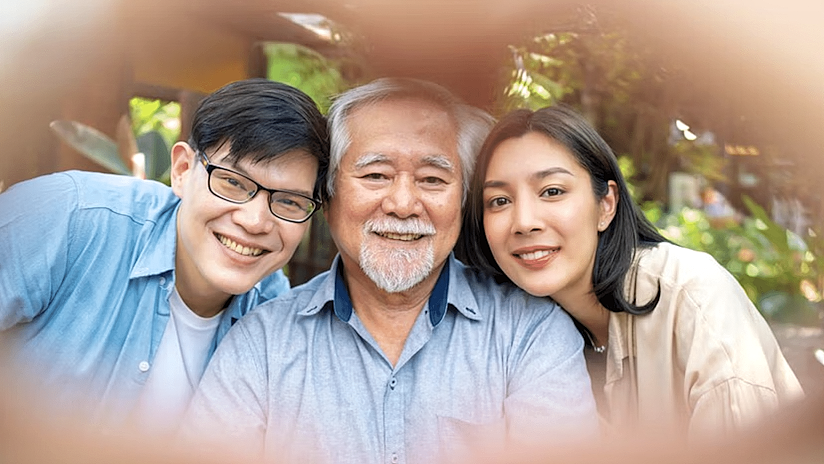
SINGAPORE: How often do you say “I love you”? Most Singaporeans can count on one hand the number of people they have uttered those three words to. In reserved and action-oriented Singapore, where a plate of cut fruit or “Are you hungry?” often stands in for tender words, verbal expressions of love do not come naturally. This reluctance to articulate love is a subject of many local satirical TikTok videos. A recent Chinese New Year video drew more than three million views for poking fun at how Singaporean parents do not say “I love you”, but things like “I see you like this drink a lot, so I buy a lot”. Local forums on online networks like Reddit proliferate with posts such as “Singaporeans who aren’t affectionate with your family, how else do you show that you care?”, revealing that many here are actively seeking an alternative love language. This lived experience feels out of step with the Singaporean media diet, as suggested by the Top 10 Netflix lists of shows here, usually dominated by sappy K-dramas, American romcoms and reality dating shows, an alternate universe where love is proclaimed freely. Is there a disconnect between what people say and do, and what they really want deep inside? To find out, in the lead-up to Valentine’s Day, The Straits Times spoke to eight love, relationship and family experts and academics here. Only the lonely For starters, is there a social and emotional cost to withholding love verbally? Experts think there is. If you feel isolated, you are not alone. According to an Institute of Policy Studies (IPS) survey conducted in 2023, so too is much of Singapore. Over half of the 2,356 Singapore residents surveyed reported feeling isolated from others either some of the time or often. Those who feel they lack companionship form an even larger group, with over 70 per cent of those aged 21 to 34 saying they lack it either some of the time or often. This is not unique to Singapore. A Gallup survey spanning 140 countries conducted in 2023 found that nearly one in four people worldwide feel very or fairly lonely. That same year, the World Health Organisation designated loneliness as a “global public health concern”, noting that social isolation is associated with negative health outcomes such as dementia and stroke. In Singapore, these feelings of loneliness also play out against a backdrop of generational shifts in giving and receiving love and understanding what it means to be loved. Ms Theresa Pong, counselling director at counselling centre The Relationship Room, is seeing a trend of Singaporeans becoming increasingly aware of their emotional needs – and determined not to repeat the shortfalls of the traditional, often authoritarian, parenting they received. Instead, many young parents she works with now favour “gentle parenting”, which focuses on forging relationships and connections with their children. “They know that they have been growing up in families with very traditional relationships, where you can’t go to your parents to talk […]
10月前
更多love








 登入
登入
 Newsletter
 联络我们
联络我们
 登广告
登广告
 关于我们
关于我们